

Trends, Insights, and Data on Youth Chess Learning Worldwide
Published by: Kingdom of Chess
Publication Year: 2026
Survey Period: January – March 2026
Participants: Parents of children learning chess (ages 4–15)
Geographic Scope: Multiple Countries
Executive Summary
The global market for online chess instruction and play is experiencing strong growth as digital learning platforms make chess education accessible to students worldwide.
The market is estimated at USD 270.37 million in 2026 and is projected to reach USD 686.03 million by 2035, representing a compound annual growth rate (CAGR) of 10.9%.
Several regions are driving this growth:

As part of this report, Kingdom of Chess conducted a global parent survey to understand:
- why parents enroll children in chess programs
- learning habits of young chess students
- cognitive and behavioral improvements observed after training
The findings indicate that chess is increasingly viewed as a structured educational activity that supports intellectual development, concentration, and decision-making skills.
Research Methodology
This report combines insights from multiple primary and secondary data sources to analyze global chess education trends.
Data Sources
- Student learning data from Kingdom of Chess training programs
- Parent surveys conducted between January and March 2026
- Global chess participation statistics
- Observations from online chess learning platforms
- Youth chess tournament participation patterns
Parent Survey Methodology
Participants: Parents of children aged 4–15
Method: Online questionnaire
Distribution Channels
- Parent communities
- Chess learning networks
- Online education groups
Responses were aggregated to identify common patterns in chess education and learning outcomes.
The results represent parent observations and perceptions regarding chess learning benefits.
Online Chess Learning Trends
The online chess learning ecosystem is divided into two primary categories:
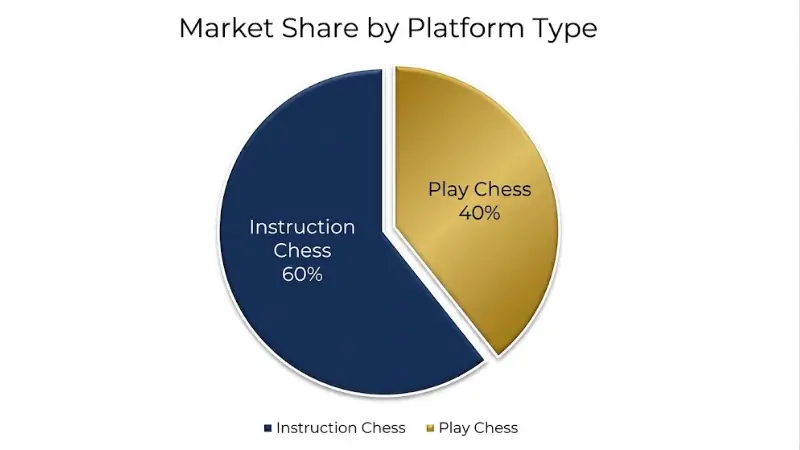
This trend indicates a shift in consumer behavior, where players increasingly prioritize skill development and structured training rather than casual gameplay.
AI-Powered Personalization in Chess Learning
Artificial intelligence has become a key driver of engagement in modern chess education.
Approximately 68% of users rely on AI-assisted tutorials for personalized training.
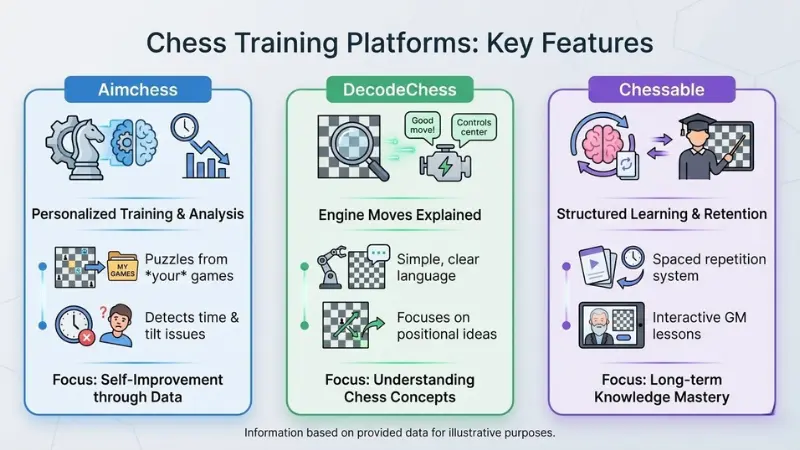
These tools allow students to analyze their mistakes, track improvement, and personalize learning paths.
The “Duolingo-ization” of Chess
Recent innovations have introduced micro-learning approaches to chess education.
Platforms now offer:
- short daily lessons
- gamified learning experiences
spaced-repetition training methods
For example, the launch of Duolingo Chess introduced a beginner-friendly model that teaches chess fundamentals through bite-sized lessons guided by AI coaches.
This model has proven particularly effective for:
- younger children
- busy adult learners.
Parent Survey Insights on Chess Education
The survey conducted for this report provides valuable insight into how families perceive chess learning.
The survey examined:
- motivations for enrolling children in chess programs
- age at which children begin learning chess
- practice habits
- cognitive improvements observed after training.
For example, the launch of Duolingo Chess introduced a beginner-friendly model that teaches chess fundamentals through bite-sized lessons guided by AI coaches.
This model has proven particularly effective for:
- younger children
- busy adult learners.
Why Parents Choose Chess for Their Children
Parents reported several motivations for enrolling children in chess programs.
| Reason | Percentage of Parents |
|---|---|
| Improve concentration and focus | 38% |
| Develop logical thinking skills | 26% |
| Extracurricular learning activity | 18% |
| Competitive chess opportunities | 10% |
| Hobby or recreational activity | 8% |
Insight
Most parents choose chess primarily for its cognitive benefits, particularly improving focus and logical thinking skills.
Age at Which Children Begin Learning Chess
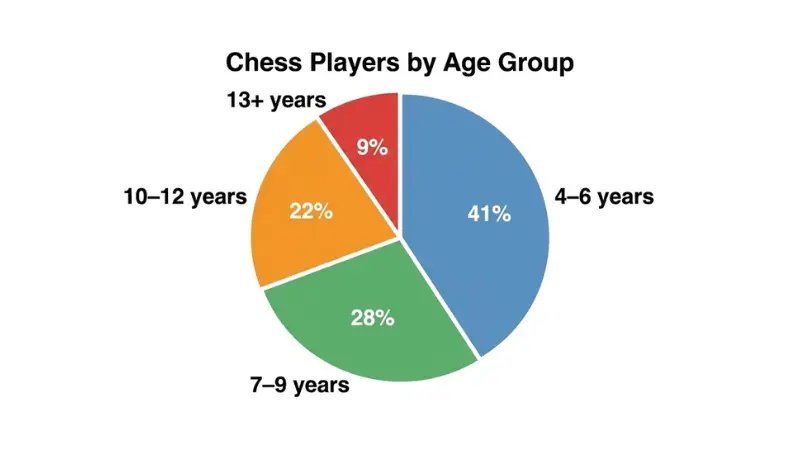
Insight
Most children begin learning chess between ages 4 and 9, a period when cognitive development is highly responsive to structured learning activities.
Practice Habits of Young Chess Players
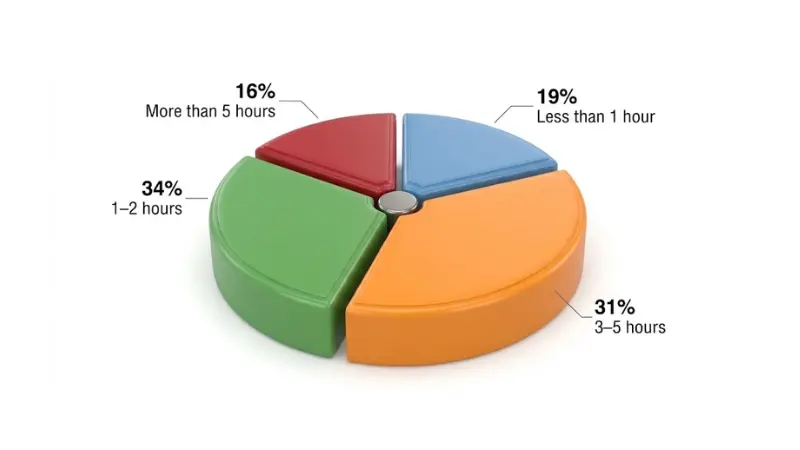
Insight
The majority of students practice chess between one and five hours per week, suggesting that chess learning is integrated into regular weekly routines.
Improvements Observed After Chess Training
| Observed Benefit | Percentage |
|---|---|
| Improved concentration | 44% |
| Better problem-solving ability | 27% |
| Increased patience and discipline | 18% |
| Improved memory | 11% |
Insight
Improved concentration was the most commonly observed benefit, followed by stronger problem-solving abilities.
Improvements Observed After Chess Training
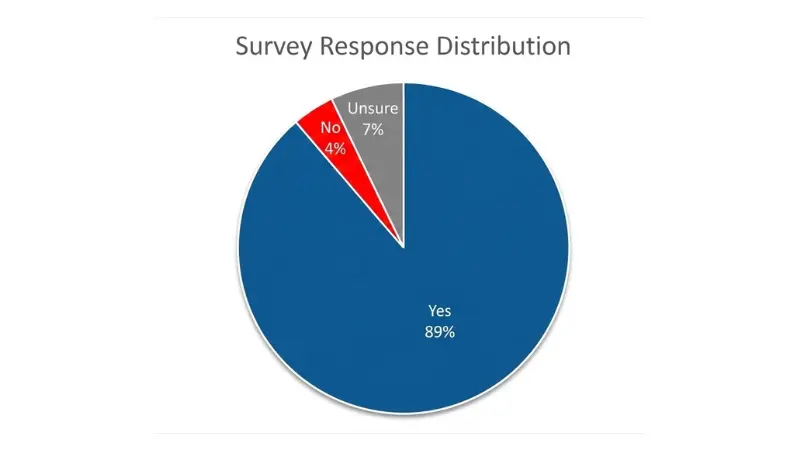
Insight
A large majority of parents indicated that they would recommend chess education to other families, suggesting strong satisfaction with its perceived benefits.
Chess and Cognitive Development
Chess is widely recognized for supporting cognitive development in children.
Both educational studies and parent surveys suggest that chess encourages:
- logical reasoning
- strategic planning
- pattern recognition
- decision-making.
Students who practice chess regularly often demonstrate stronger analytical thinking and improved focus.
Age-Based Learning Patterns
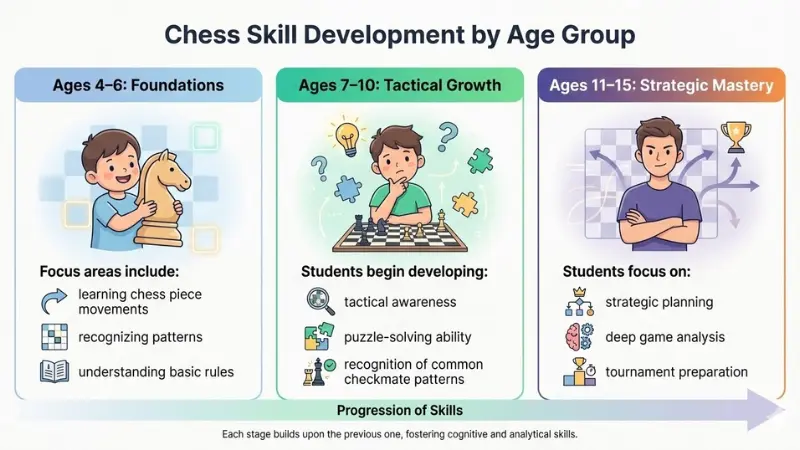
Children develop chess skills differently depending on their age group.
Ages 4–6
Focus areas include:
- learning chess piece movements
- recognizing patterns
- understanding basic rules.
Ages 7–10
Students begin developing:
- tactical awareness
- puzzle-solving ability
- recognition of common checkmate patterns.
Ages 11–15
Students focus on:
- strategic planning
- deep game analysis
- tournament preparation.
Global Youth Tournament Participation
International youth tournaments illustrate the scale of competitive participation.
| Tournament | Participants | Countries Represented |
|---|---|---|
| FIDE World Youth Chess Championship | 775 players | 90+ countries |
| World Youth Championship (historical participation) | 894 players | 80+ countries |
| European Youth Team Chess Championship | 170 players | 13 countries |
| Major international youth tournaments | 600–800 players typical | 40+ countries |
These competitions provide young players with opportunities to gain competitive experience and interact with players from different countries.
Key Trends Identified
Trend 1: Chess as a Cognitive Development Tool
Parents increasingly choose chess because it supports focus, planning, and logical thinking.
Trend 2: Early Exposure to Chess
Many children begin learning chess before age 10, a critical stage for cognitive development.
Trend 3: Importance of Consistent Practice
Students who practice regularly tend to show stronger engagement and skill improvement.
Future of Chess Education
Several developments are expected to shape the future of chess learning:
- expansion of online chess coaching
- integration of chess into school curriculum
- growth of AI-based training tools
- increased participation in international youth tournaments.
As awareness of chess’s cognitive benefits continues to grow, global participation in chess education is expected to increase significantly.
Key Takeaways
The findings from the Global Online Chess Learning Report 2026 highlight several important insights:
- Chess education is expanding worldwide
- Parents value chess as a tool for cognitive development
- Early exposure to chess learning is increasingly common
- Consistent practice supports skill development and engagement
Chess is increasingly recognized not only as a competitive sport but also as a structured educational activity that develops critical thinking and problem-solving skills.